New expressions added!
Today we’re adding 9 new Brazilian Portuguese expressions 🎉🇧🇷!
And there’s a fun story behind how we found them.
These expressions came from searches made by Speak Like A Brazilian users that didn’t return any results. When we see people looking for a word or expression that isn’t in our dictionary yet, it’s a great clue that we’re missing something useful.
You can read more about how we use these searches to discover new expressions in this blog post
New expressions
Click on any of these expressions to find out what they mean and how they’re used:
Where do we find our Brazilian Portuguese expressions?

Our best source of expressions in Portuguese is our curious users!
There are some obvious places for finding Brazilian expressions, especially those that might be more enigmatic for English speakers. For example, books, newspapers, YouTube videos of local media, and even podcasts and videos of streamers.
Brazilian Portuguese expressions in songs: “Bezerra da Silva, Malandro é Malandro e Mané é Mané”
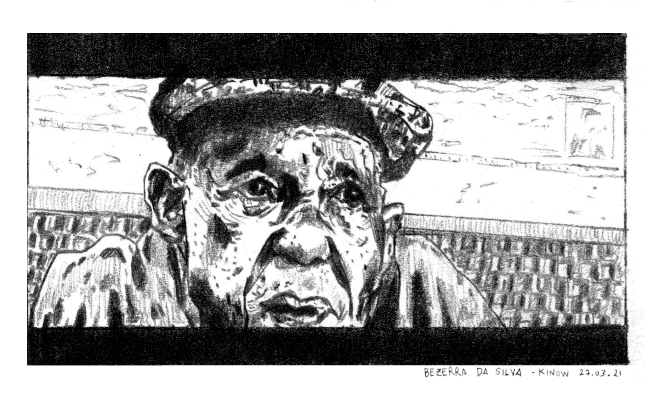
Songs are a great way to learn Brazilian Portuguese expressions. In today’s post, we will see some expressions from Bezerra da Silva’s famous “Malandro é Malandro e Mané é Mané”.
The importance of learning local expressions
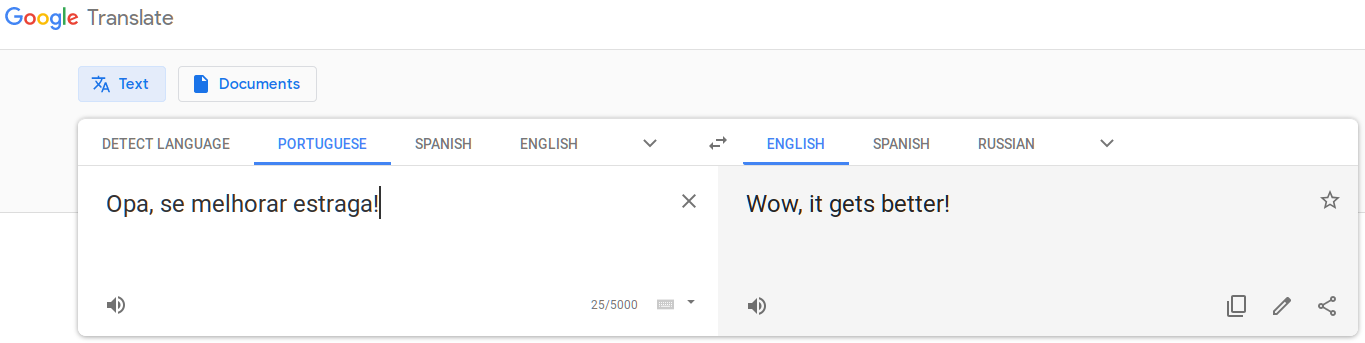
After attending classes of some foreign language, speaking with native speakers you may realize they are not always able to understand what you want to say. If you have ever met an exchange student trying to speak in your native language, you may have noticed too if that doesn’t sound very natural.
Besides the pronunciation, the vocabulary, and being able to conjugate verbs, another thing that helps us to sound more natural in another language are the local expressions. This includes things like slangs, colloquialisms, regional expressions, and local jokes. Take the following example.